One of the most common decisions in any home interior project is whether to go modular or have your kitchen built by a carpenter on-site. Both approaches have genuine trade-offs — and the right choice depends on your budget, timeline, and priorities, not on which one is “better” in the abstract.
The Core Difference
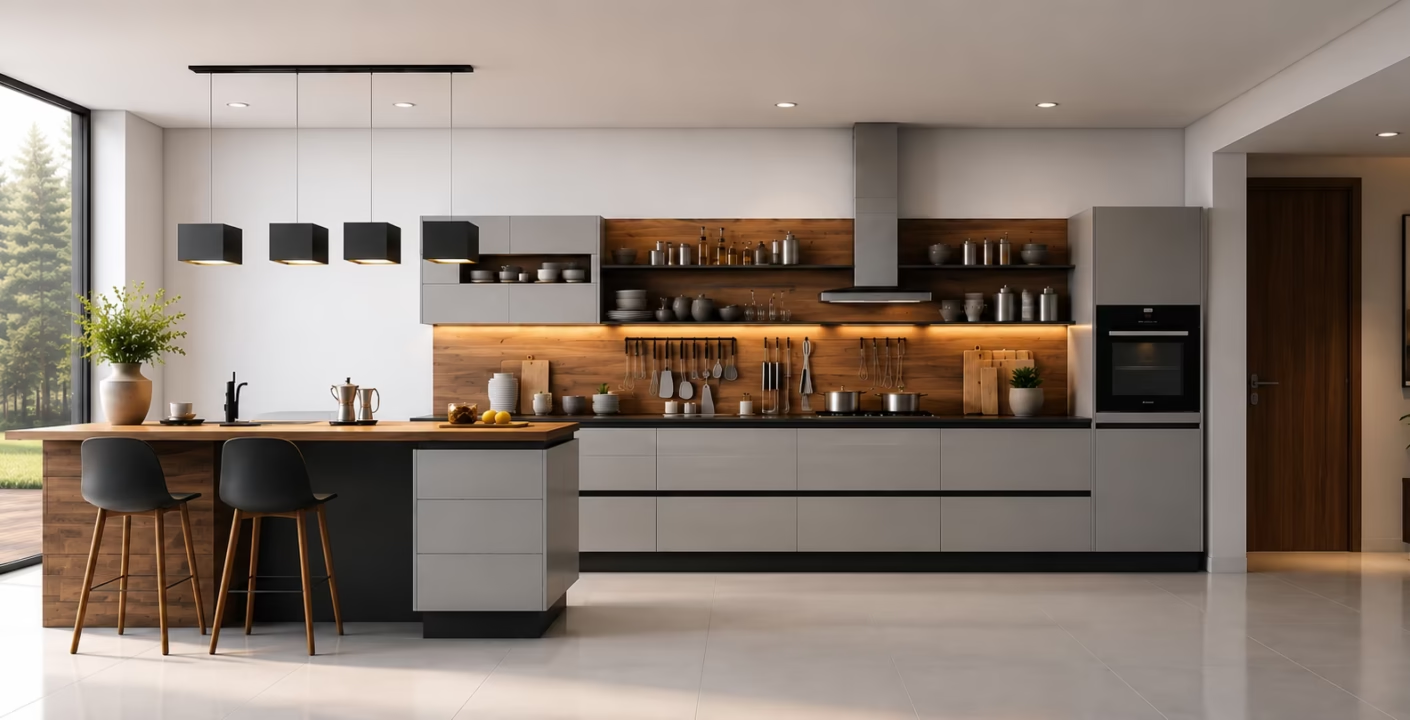
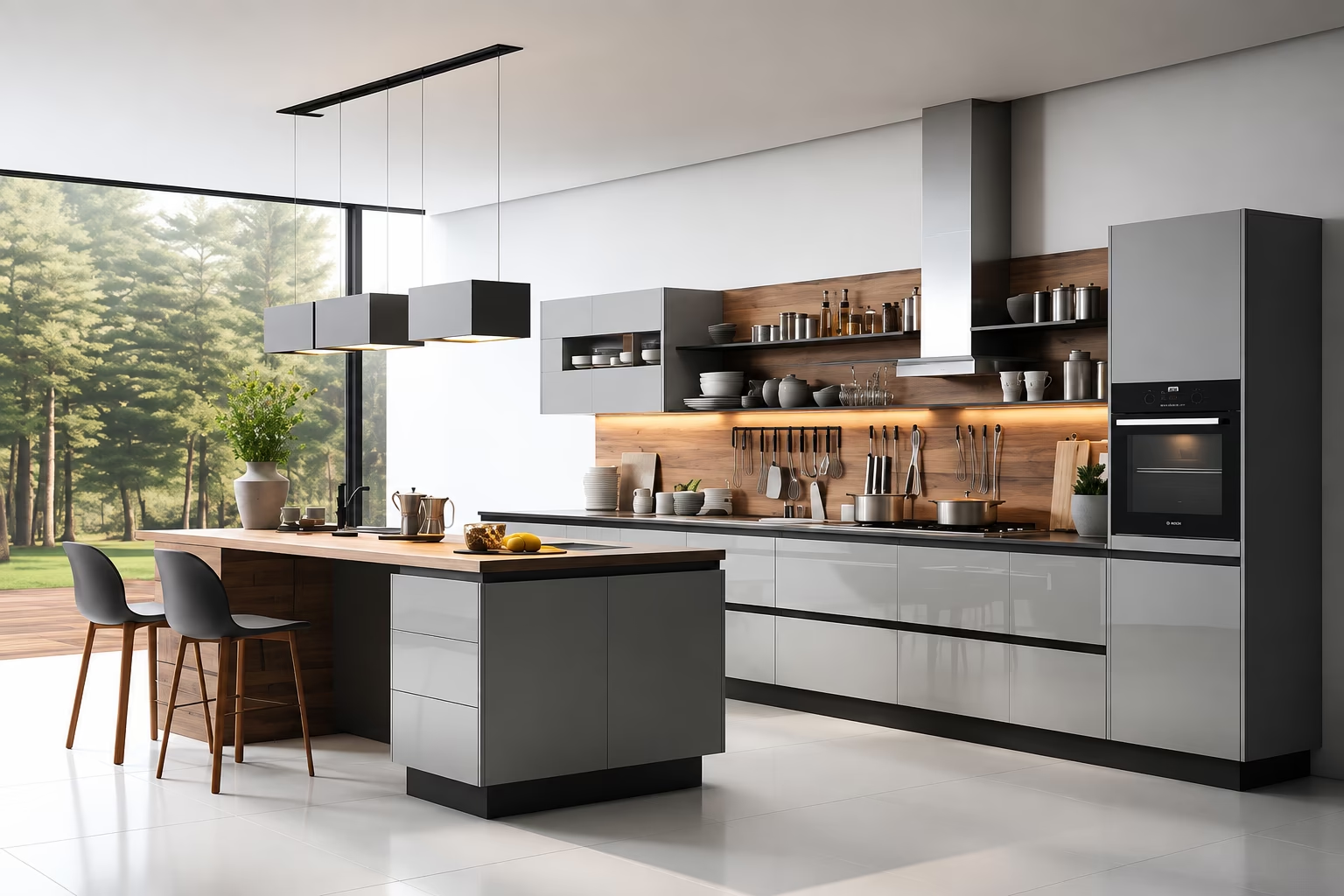
Modular kitchens are factory-manufactured in standardized or semi-customized modules, then assembled on-site. Panels, cabinets, and hardware are machine-cut and finished under controlled conditions.
Carpenter-made kitchens are built on-site from raw materials by a carpenter, offering more open-ended customization but relying on manual craftsmanship for fit, finish, and durability.
Cost Comparison
| Modular Kitchen | Carpenter-Made Kitchen | |
|---|---|---|
| Standard L-shaped kitchen | ₹1.2 – ₹2.5 lakhs | ₹1 – ₹2 lakhs |
| Premium finish (acrylic, branded hardware) | ₹2.5 – ₹4 lakhs+ | ₹2 – ₹3.5 lakhs (varies by carpenter) |
| Pricing predictability | High — quoted upfront per module | Lower — final cost can shift with on-site changes |
Carpenter-made kitchens are often marginally cheaper upfront, but pricing tends to be less predictable, since it depends heavily on the individual carpenter’s rates, material sourcing, and how the project evolves during execution.
Durability: Why This Matters More in Mumbai
Mumbai’s humid, coastal climate is a genuine factor in this decision, not just a talking point:
- Modular kitchens typically use BWP (Boiling Water Proof) marine plywood or exterior-grade materials with machine-pressed edge banding, which resists moisture penetration significantly better in humid conditions.
- Carpenter-made kitchens depend on the quality of materials the individual carpenter sources and the precision of manual edge-sealing — which varies widely and is harder to verify at the time of purchase.
In a market with Mumbai’s monsoon humidity, moisture resistance has a real, measurable impact on how long cabinetry lasts before warping, swelling, or delaminating at the edges.
Customization and Design Flexibility
This is where carpenter-made kitchens can have an edge — a skilled carpenter can build genuinely custom shapes and solutions for unusually-shaped kitchens or very specific requirements. Modular systems have become significantly more flexible in recent years, but true one-off customization still tends to favor carpentry, especially for irregular layouts common in older Mumbai flats.
Timeline Comparison
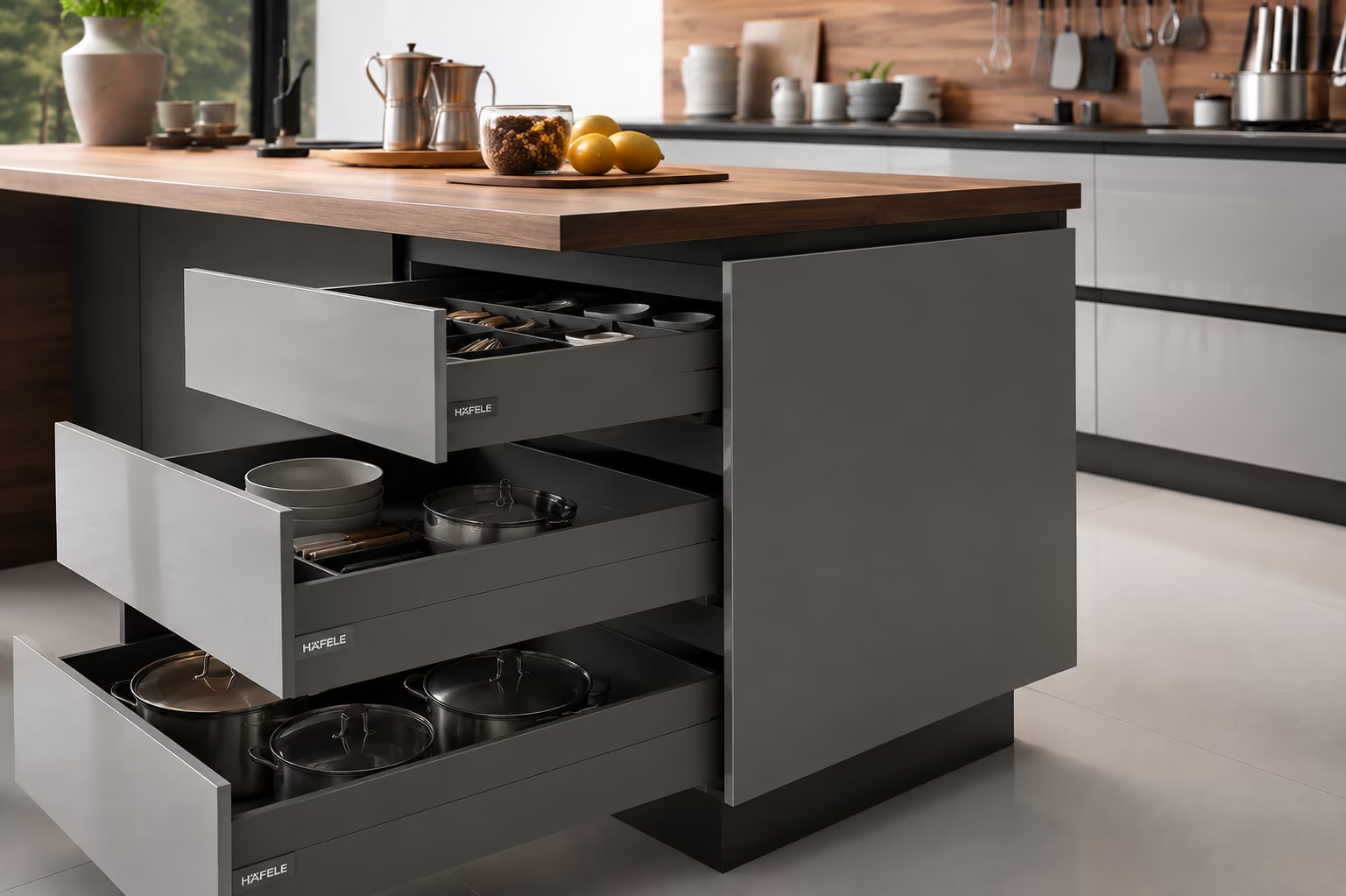
- Modular kitchens: Typically 3–5 weeks from order confirmation to installation, since major components are manufactured off-site in parallel.
- Carpenter-made kitchens: Often 5–8 weeks or more, since work happens sequentially on-site and depends on a single carpenter’s or small team’s availability.
Which Should You Choose?
Modular tends to make more sense if:
- You want predictable pricing and installation timelines
- Moisture resistance and long-term durability are priorities
- You prefer standardized hardware with manufacturer warranties
Carpenter-made tends to make more sense if:
- Your kitchen has a highly irregular layout needing bespoke solutions
- Upfront cost is the primary constraint
- You have a trusted carpenter with a strong track record
A Third Option: Semi-Custom Modular
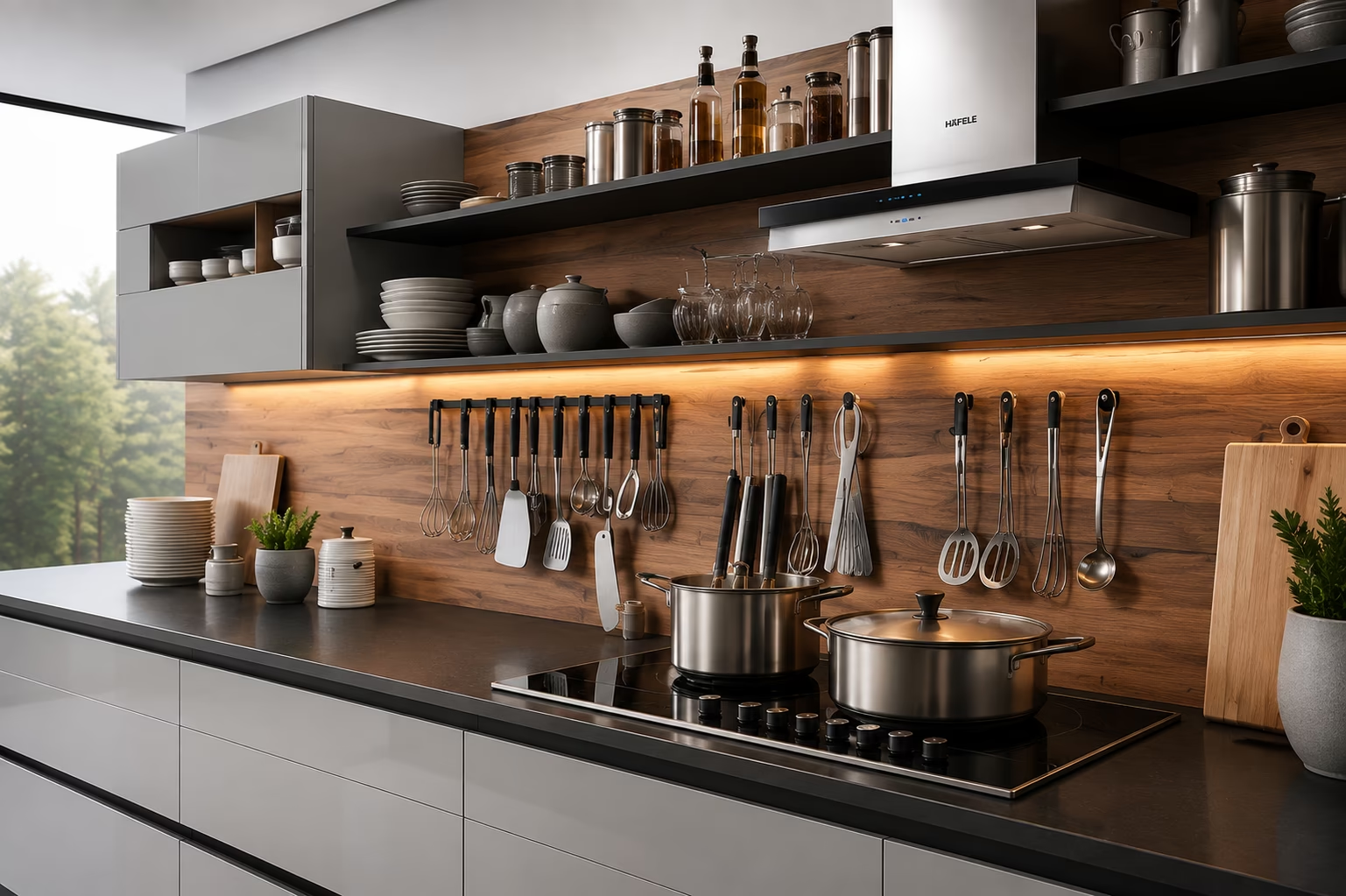
Many Mumbai homeowners don’t realize this middle ground exists — modular systems with customized configurations, sizing, and finishes that combine the durability and predictability of modular manufacturing with a level of personalization closer to carpentry. [LINK: Custom Furniture & Woodwork page] This is typically our starting recommendation for kitchens that need both moisture resistance and a layout that doesn’t fit a standard module.
Frequently Asked Questions
Q: Which lasts longer in Mumbai’s climate — modular or carpenter-made?
Modular kitchens using BWP marine ply generally offer better moisture resistance, which matters significantly in Mumbai’s humidity. Carpenter-made durability depends heavily on the specific materials and finishing quality used, which varies by carpenter.
Q: Can I mix modular and carpenter-made elements in one kitchen? Yes — this is common, particularly using modular for standard cabinet runs and carpentry for specific custom elements like an irregular corner unit or a built-in appliance nook.
Q: Do modular kitchens come with a warranty?
Most modular kitchen providers offer warranties on cabinetry and hardware, typically ranging from 1–10 years depending on the manufacturer and material grade. Carpenter-made kitchens rarely come with a formal warranty unless specifically negotiated.
Q: Is modular always more expensive than carpenter-made?
Not necessarily — for standard-sized, straightforward kitchen layouts, pricing can be comparable. The cost gap widens mainly for premium finishes or highly custom requirements.